


What are the common causes of a loud HVAC system?
A loud HVAC system can be caused by multiple factors, including ON/OFF cycling,
poor outdoor unit placement, worn or loose components, and even leaky ductwork.
On/Off Cycling
Many low-efficiency, non-inverter units use single-speed compressors. These units only run at full power, so when they turn on, you often hear a loud burst of noise, sometimes called a compressor hard-start.
To keep your home at your set temperature, single-speed systems turn on and off repeatedly. This constant process, also known as short cycling, can create ongoing noise, especially if your outdoor unit’s capacity is oversized.

Poor outdoor unit placement
If your outdoor HVAC unit is installed too close to bedrooms, windows, or a neighboring property line, even normal operation can become a real nuisance. Without proper measures, like vibration pads, sound blankets or proper clearance, even normal operating sounds may seem loud and disruptive.

Worn or unbalanced components
Loose fan blades, misaligned blowers, or failing bearings can generate rattles and vibrations. Even a slightly bent blade can create a wobbly rotor, amplifying noise.

Leaky ductwork
Look at your home’s ductwork. Leaky ducts can let air escape, creating a whistling or rattling noise. If you suspect leaky ducts, your system may be working harder than it needs to. Contact an HVAC professional to inspect your ductwork.

HVAC Systems and Sound Ordinances*
Comfort should be felt—not heard. That’s why noise control is an essential part of HVAC system design, especially in communities governed by local sound ordinances.* Whether for a home, office, or light commercial space, understanding and planning for sound limits can help ensure an HVAC solution that delivers comfort while respecting the surrounding environment.
* Sound ordinances and noise regulations vary by city, county, and municipality and may change over time. Permitted sound levels, measurement methods, enforcement standards, and operating-hour restrictions vary by location. The information provided is for general guidance only and should not be considered a substitute for local codes or regulations. Property owners and contractors are responsible for verifying and complying with all applicable local sound ordinances and requirements before installing or operating HVAC equipment.

What are typical HVAC noise limits?
A: Sound ordinances vary by municipality and can be used to regulate the allowable decibel levels (dBA) of HVAC systems at specific times of day and locations, such:
- Property line
- The nearest neighboring residence
- A bedroom window or occupied space In Seattle, Washington, the Seattle Municipal Code (SMC) requires an overnight sound level limit of 45 dBA (decibels) at the property line during the overnight hours. 1
1 Seattle Department of Construction and Inspections, Residential Mechanical Equipment Noise Overview, June 1, 2023 https://buildingconnections.seattle.gov/2023/06/01/residential-mechanical-equipment-noise-overview/
How quiet is a Daikin system with inverter technology?
A: A modern, variable‑speed HVAC system designed with inverter technology may operate as low as 45 dBA (decibels), potentially keeping it within ordinance limits* even during overnight operation. The sound level an HVAC system produces often depends on its design. But how it impacts you and your neighbors may depend on how it’s installed and where it’s integrated into the space.

Quiet comfort starts with your HVAC System
If your HVAC is noisy or you have sound ordinances in your area, consider replacing it with a modern, inverter-driven system. Inverter-driven systems are designed for quiet operation and precise temperature control.
EXPLORE QUIET AND EFFICIENT DAIKIN HVAC SOLUTIONS
Whole-Home Overview
Quiet, Central Heating & Cooling Options
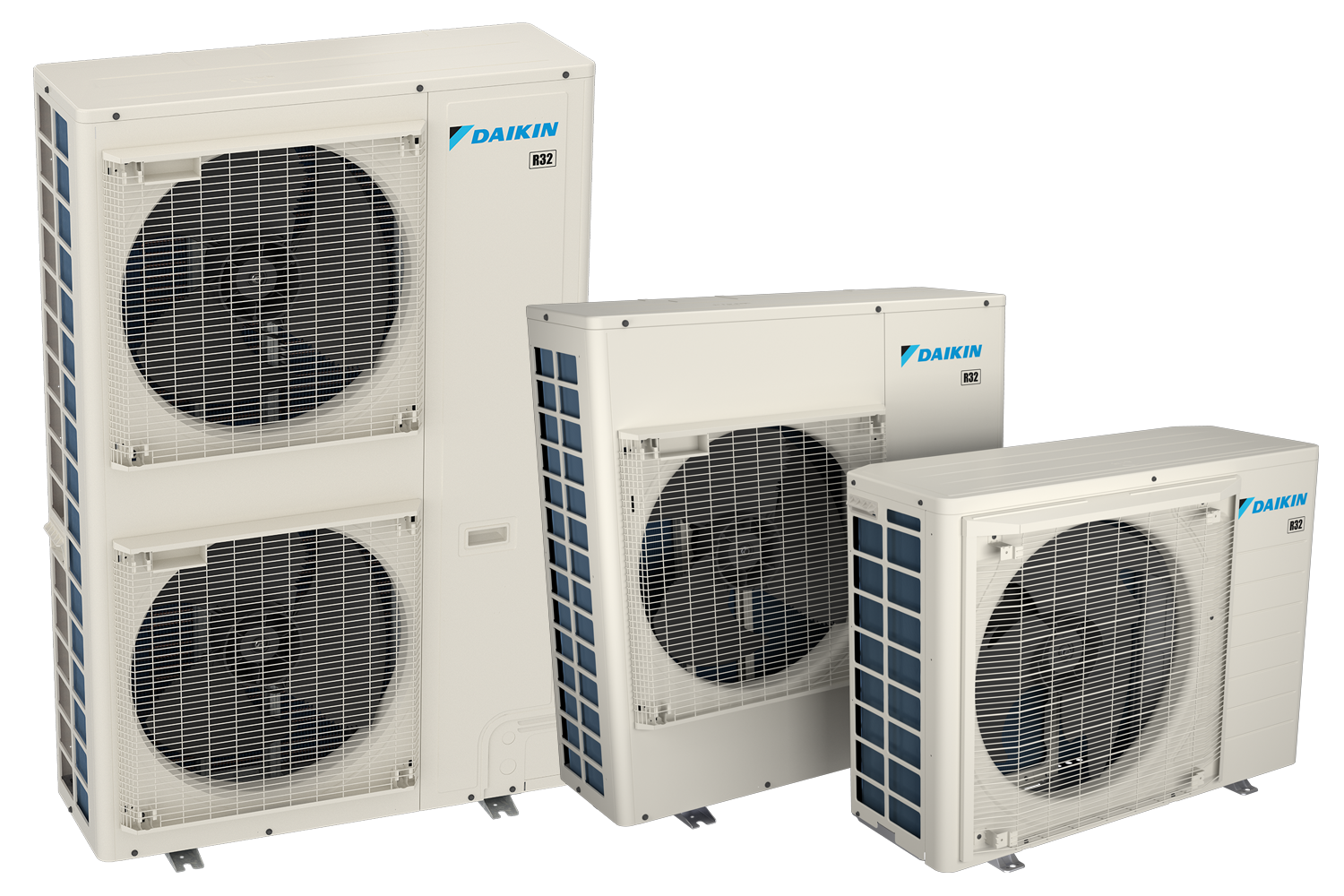
Daikin FIT systems use inverter technology to deliver low sound levels, slim outdoor profiles, and consistent comfort that can replace traditional cube-style units.
DAIKIN FIT (DH7VS)
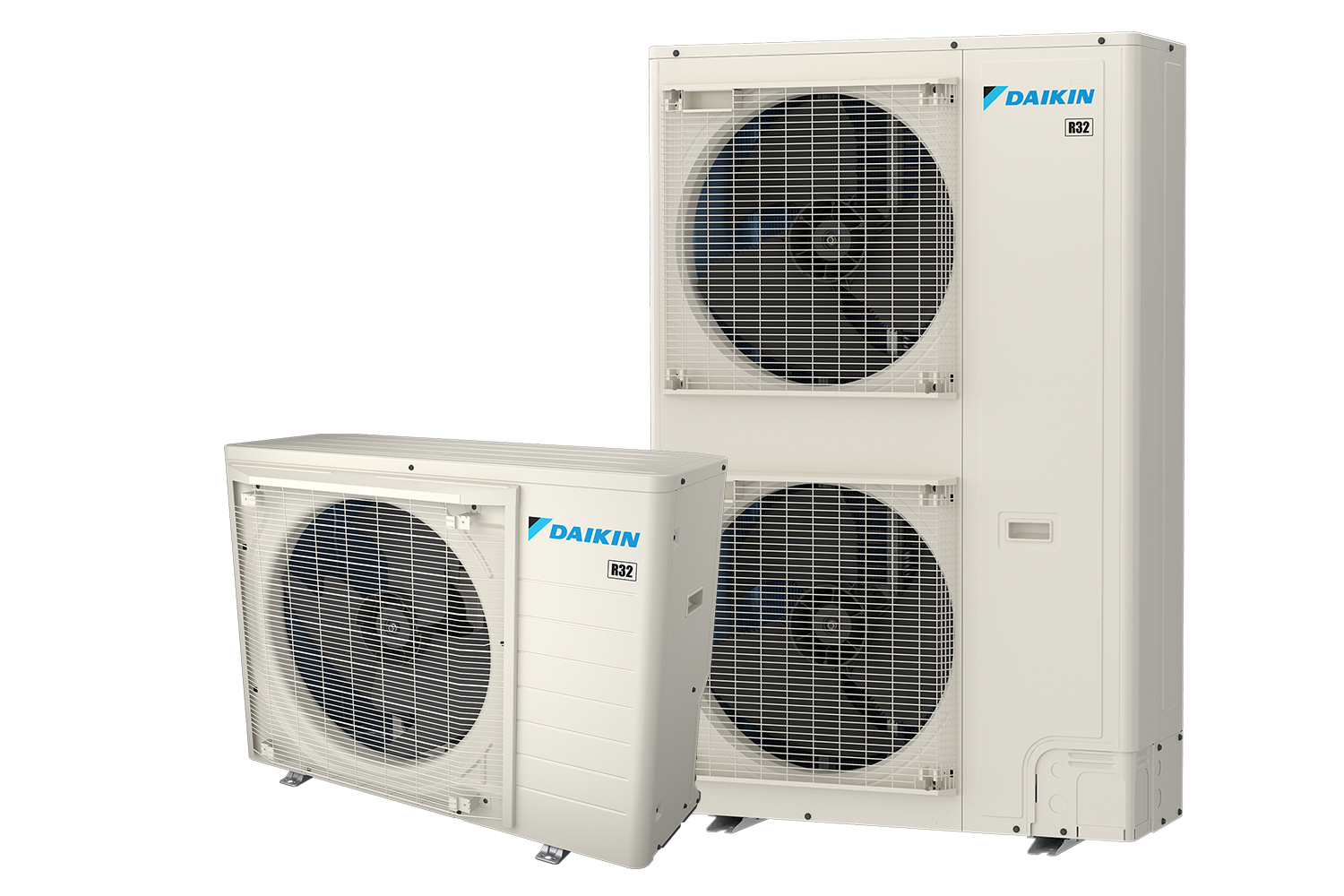 | Daikin FIT AURORA (DH9VS)
 | |
|---|---|---|
| Outdoor Unit Sound Level | As low as 45 dB(A)* | As low as 45 dB(A)* |
| Efficiency Rating | Up to 19 SEER2 | Up to 21 SEER2 |
| Great for | All-season comfort with a slim design | Extreme climates |
| Price tier | $$ | $$$ |
| Inverter Technology | Yes | Yes |
*In quiet mode
Ductless Overview
Quiet Ductless Mini-Split Options
Daikin ductless mini-splits provide zoned, quiet comfort ideal for noise-sensitive rooms.
DAIKIN ENTRA
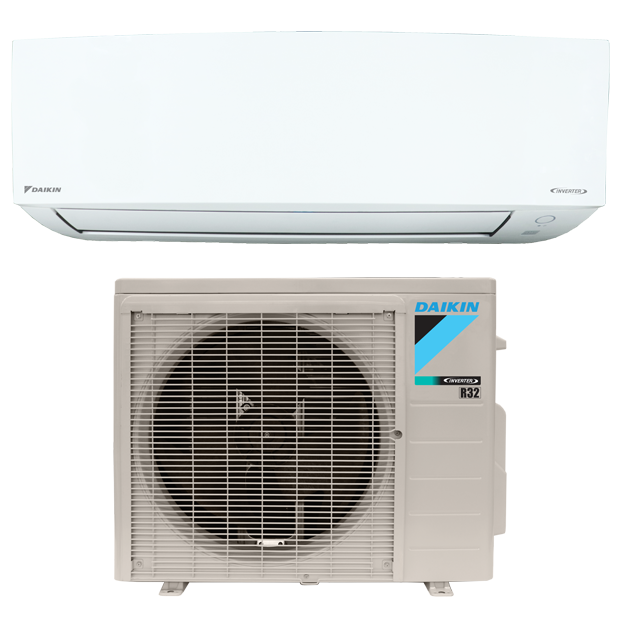 | DAIKIN OTERRA
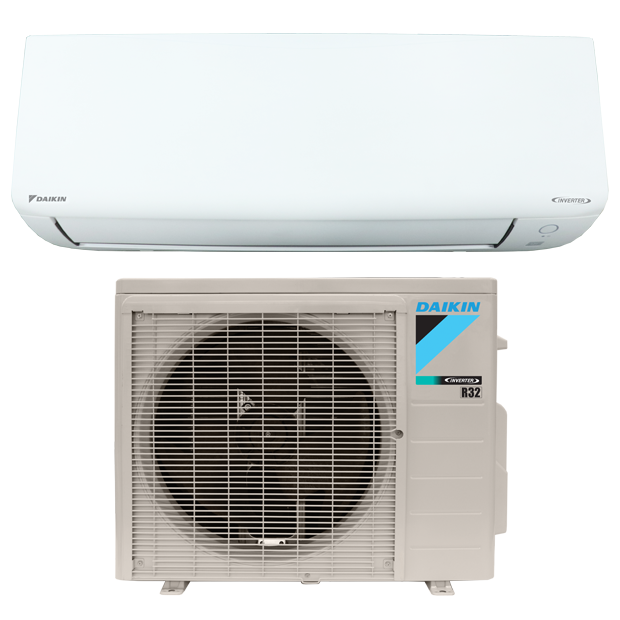 | DAIKIN ATMOSPHERA 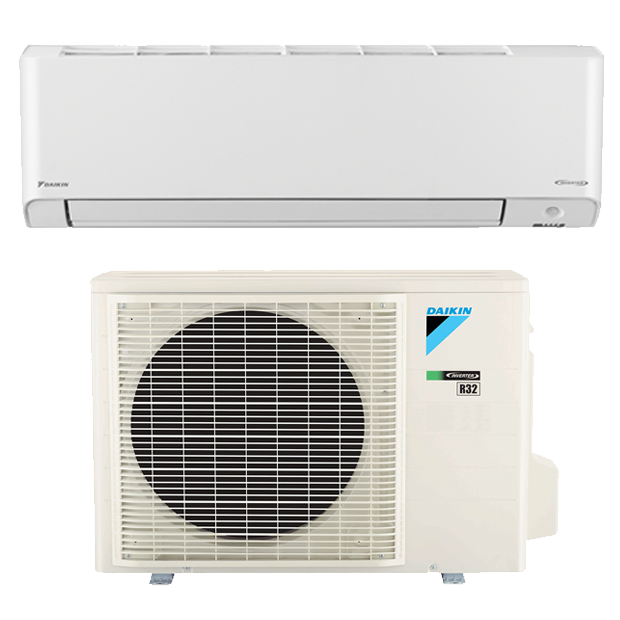 | |
|---|---|---|---|
| Indoor Wall Mount Sound Level | as low as 19 dB(A)* | as low as 19 dB(A)* | as low as 19 dB(A)* |
| Outdoor Unit Sound Level | as low as 46 dB(A) | as low as 49 dB(A) | as low as 47 dB(A) |
| Efficiency Rating | Up to 18 SEER2 | Up to 21 SEER2 | Up to 27 SEER2 |
| Great for | Bedrooms, offices, small space | Efficient cooling living spaces | Stylish, modern homes |
| Price tier | $ | $$ | $$$ |
| Inverter Technology | Yes | Yes | Yes |
*In quiet mode
HVAC Noise FAQs
I need to replace my loud HVAC system. Who can I contact?
If the noise seems excessive or disruptive, contact your local Daikin Comfort Pro to evaluate your replacement options.
Why is my ductwork noisy?
Unusual sounds like whistling, rattling, or uneven airflow from room to room can be signs of leaking or poorly sealed ductwork. When air escapes through gaps or loose connections, it can create noise and reduce your HVAC system’s overall performance.
What is a quiet type of HVAC system?
Ductless mini-splits and Daikin FIT inverter-driven heat pumps are great, quiet options.
Can my AC violate local noise ordinances in my area?
Yes, especially if your air conditioner operates at above 70 decibels. Be sure to hire a local contractor, like a Daikin Comfort Pro, and verify your local noise ordinances for HVAC compliance.
* Sound ordinances and noise regulations vary by city, county, and municipality and may change over time. Permitted sound levels, measurement methods, enforcement standards, and operating-hour restrictions vary by location. The information provided is for general guidance only and should not be considered a substitute for local codes or regulations. Property owners and contractors are responsible for verifying and complying with all applicable local sound ordinances and requirements before installing or operating HVAC equipment.
What should I look for to limit HVAC noise?
Upgrade to a Daikin heating and cooling system with inverter technology and ensure proper placement.
Let’s have a quiet conversation.
We’re here to help you find answers to your comfort questions.
MORE INFORMATION
Next steps:
We’re here to help you learn more about purchasing Daikin heating, cooling, and air quality products.

Build your indoor comfort solution.
Build a Daikin system thats meet your requirements.
